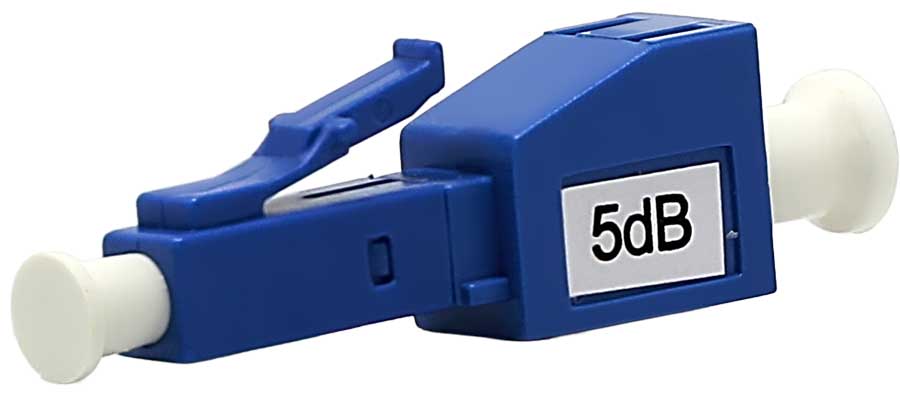


This guide outlines general best-practice guidelines for optical attenuation. Actual attenuation requirements will vary depending on the specific transmitter output power and receiver sensitivity of the optical modules in use.
Note: The values presented are approximate and provided for reference only. Optical power levels should always be verified—either with an optical power meter or by reviewing transceiver Rx power readings—to ensure they fall within the specified safe operating (dynamic) range of the transceiver prior to final connection.
Use the following conversion as a baseline for estimating distance loss, but treat it as a starting point only. Because specifications vary, you must always verify these estimates against the actual Rx power readings of your optic in the field.
Connecting them directly to equipment or using short cables without proper attenuation can: